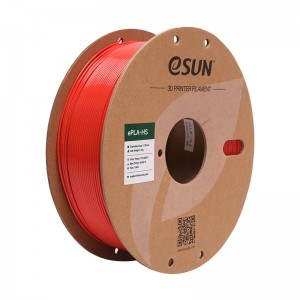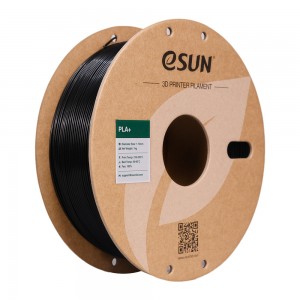



ePLA+HS
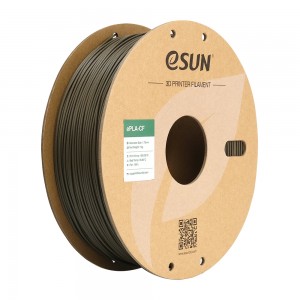
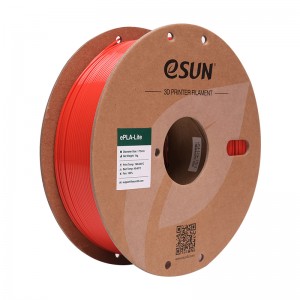
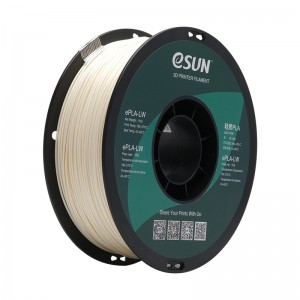
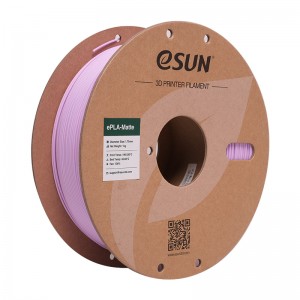
Fast printing requires materials that can melt and cool quickly. However, to balance the speed of material melting and cooling, the physical properties of materials printed using fast techniques usually experience some decline. In order to provide 3D printed products with superior mechanical performance under fast printing conditions, we have conducted numerous tests on various rapid formulations. As a result, we have selectively chosen ePLA+HS, also known as ePLA+HS, which is specifically designed to match high-speed printing and offers enhanced toughness.
- * Description:
-
Description
Fast printing requires materials that can melt and cool quickly. However, to balance the speed of material melting and cooling, the physical properties of materials printed using fast techniques usually experience some decline. In order to provide 3D printed products with superior mechanical performance under fast printing conditions, we have conducted numerous tests on various rapid formulations. As a result, we have selectively chosen ePLA+HS, also known as ePLA+HS, which is specifically designed to match high-speed printing and offers enhanced toughness.
Features
Stronger resilience
Fast printingExcellent printability
Lines are not easily brittle and broken
- * Application
-
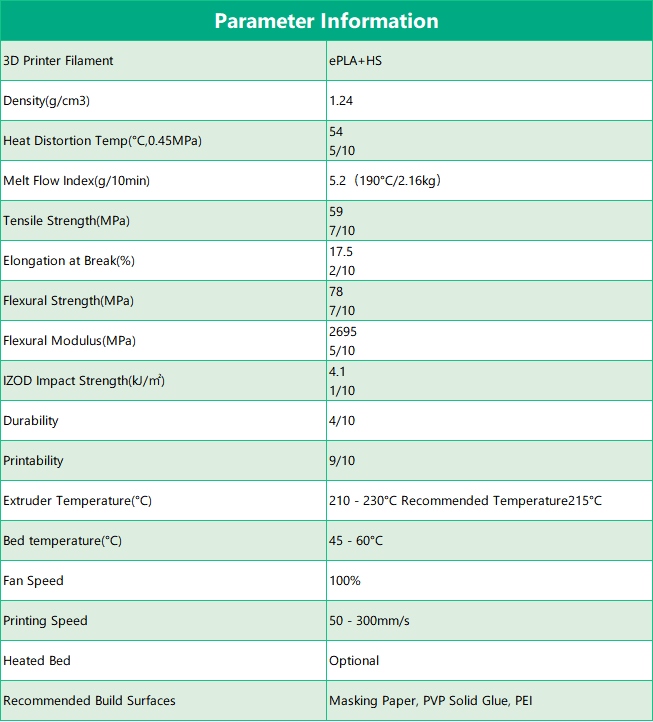
 ePLA+HS Filament-TDS